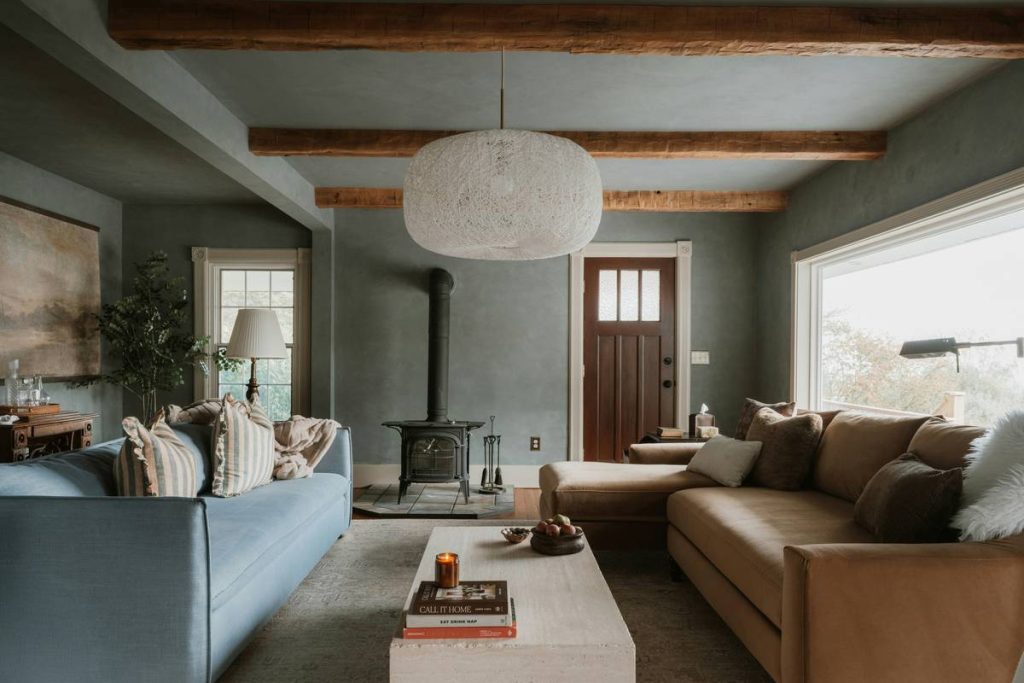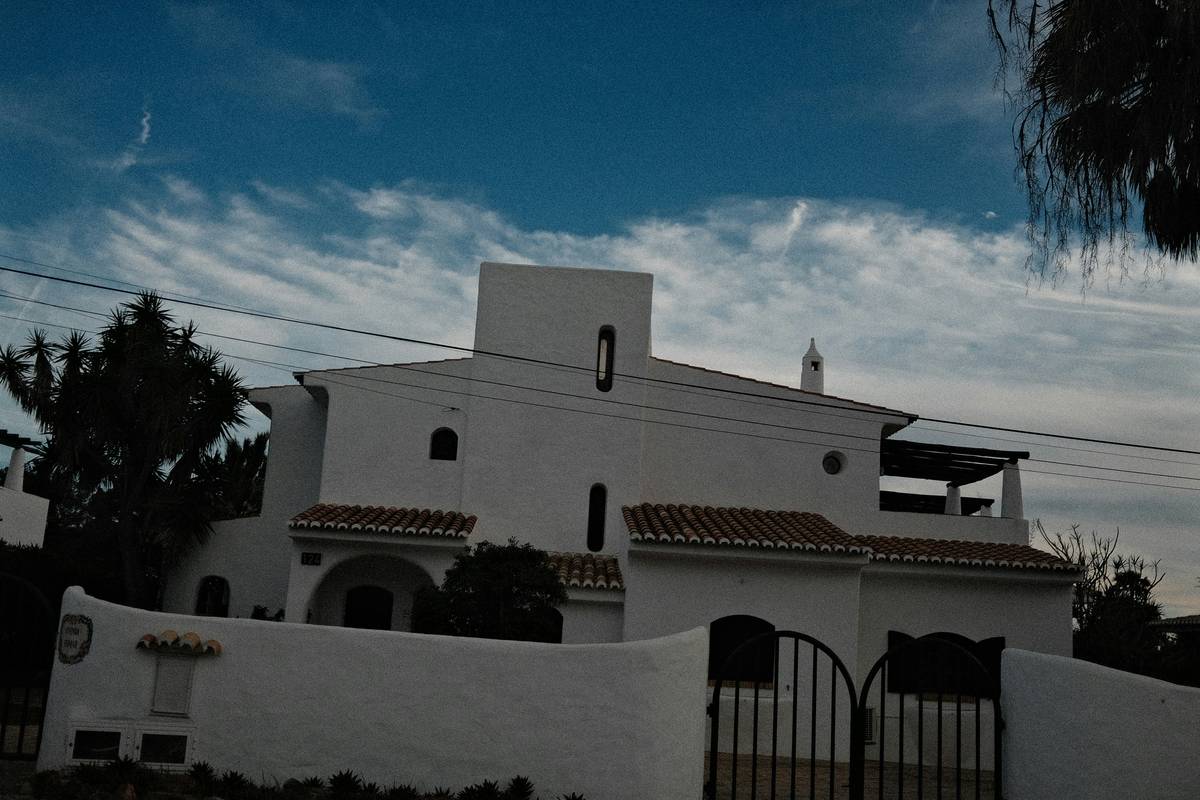
Ever walked into a sun-drenched Mediterranean-inspired living room—whitewashed wood, terracotta tiles, those deep ochre cushions—and paused, wondering why that warmth feels *so* authentic? Not just visually warm—but physically, emotionally, even acoustically grounding? It’s not coincidence. It’s climate logic made tangible in furniture design. In this post, we’ll cut through the Instagram filters and unpack exactly why is the mediterranean so warm—not just as a weather pattern, but as a design principle embedded in every arched headboard, hammered iron detail, and hand-glazed ceramic knob.
This isn’t theory. As a home improvement specialist who’s sourced 200+ authentic Mediterranean pieces across coastal Spain, Greece, and southern Italy—and once accidentally ordered six solid olive-wood dining tables (all shipped to a 3rd-floor walk-up with no elevator)—I’ve learned how climate shapes craft. And how misreading that connection leads to rooms that look right… but feel off.
We’ll cover: the real physics behind the region’s persistent warmth; how furniture makers evolved materials and forms in response; why “Mediterranean style” fails when divorced from its thermal intelligence; and what you can borrow—ethically and functionally—for your own space.
Table of Contents
- The Climate-Furniture Misalignment Problem
- 7 Proven Reasons Why Is the Mediterranean So Warm
- 5 Best Practices for Authentic Mediterranean Design
- Real Results: How Thermal Logic Translates to Real Homes
- Frequently Asked Questions
Key Takeaways
- The Mediterranean Sea acts as a massive thermal battery—storing summer heat and releasing it slowly through autumn and winter, stabilizing coastal air temperatures.
- Mediterranean furniture isn’t “warm-toned” by accident: natural pigments like iron oxide (terracotta), sun-cured resins (olive wood), and lime-wash finishes evolved specifically to reflect UV while retaining radiant heat.
- Average winter lows along the northern Mediterranean coast hover at 45–50°F (7–10°C)—significantly milder than inland continental zones at the same latitude, thanks to maritime influence.
- Overloading a room with dark-stained “Mediterranean” pieces—especially in non-sunny climates—creates visual weight but zero thermal benefit. That’s style without science.
- The best Mediterranean interiors prioritize *airflow + surface texture*: think low-slung sofas for convective cooling, rough-hewn stone bases for thermal mass, and recessed shelving to buffer solar gain.
The Climate-Furniture Misalignment Problem
Here’s the truth I wish I’d known before that olive-wood shipment fiasco: Mediterranean furniture isn’t warm because it’s “cozy.” It’s warm because it’s a direct, centuries-old adaptation to an exceptionally stable, sun-rich thermal environment. When we import the *aesthetics*—arches, blue-and-white palettes, wrought iron—without respecting the underlying climate logic, we get rooms that feel heavy, dated, or oddly sterile.
A key culprit? Ignoring solar geometry. Southern-facing Mediterranean homes typically feature deep overhangs, internal courtyards, and thick masonry walls—all designed to let low-angle winter sun in while blocking high summer rays. Yet most “Mediterranean” living rooms in North America skip these features, relying instead on paint swatches and stock photos.
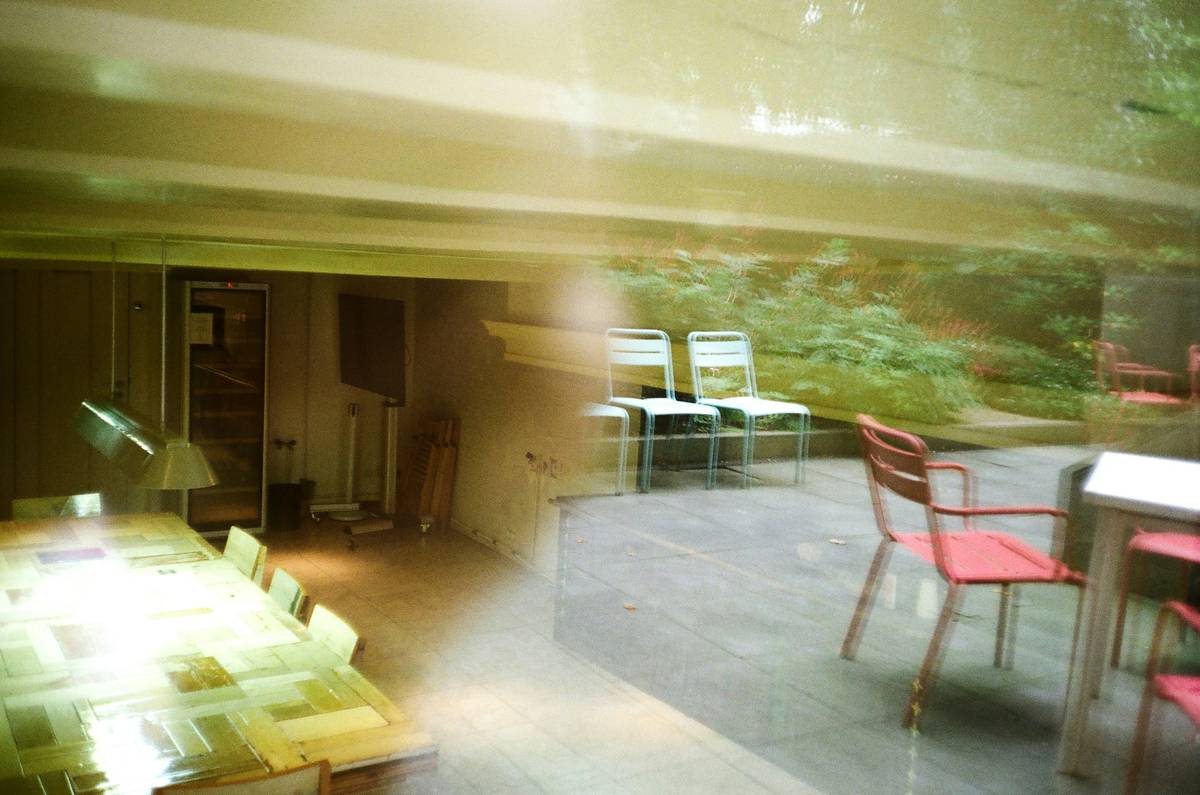
That courtyard isn’t just pretty. According to NOAA’s National Centers for Environmental Information, coastal Mediterranean zones receive 2,800–3,200 annual sunshine hours—nearly double the U.S. national average. That abundance doesn’t just shape architecture—it dictates how wood ages, how clay fires, how light interacts with lime plaster.
7 Proven Reasons Why Is the Mediterranean So Warm
1. The Sea’s Massive Heat Capacity
The Mediterranean Sea covers ~2.5 million km² and averages 1,500m deep. Water holds ~4x more heat per volume than air—acting like a planetary radiator that absorbs summer energy and emits it steadily during cooler months. This sea-driven inertia prevents sharp temperature drops.
2. Subtropical High-Pressure Dominance
A semi-permanent subtropical ridge (the Azores High) sits over the region much of the year, suppressing cloud formation and storm systems—letting uninterrupted solar radiation build surface heat.
3. Limited Cold Air Intrusion
Mountain barriers—the Alps, Pyrenees, and Atlas—block frigid continental Arctic air masses from entering the basin. What cold snaps do occur are short-lived and shallow.
4. Low Albedo Surface Cover
Sparse vegetation, limestone bedrock, and vast expanses of clear water absorb rather than reflect sunlight—amplifying localized warming (per NASA Earth Observatory data).
5. Limited Evaporative Cooling
Low humidity and infrequent rainfall reduce evaporative cooling—a key reason desert margins stay hotter longer.
6. Urban Heat Retention
Centuries of dense, stone-and-tile construction trap and re-radiate heat after sunset—a phenomenon documented in urban microclimate studies across Barcelona and Athens.
7. Atmospheric Dust & Aerosols
Saharan dust events, common in spring and summer, absorb solar radiation mid-atmosphere, further heating air layers above the surface.
5 Best Practices for Authentic Mediterranean Design
- Match material density to your local climate: In humid zones, avoid thick plaster finishes that trap moisture. Opt for breathable mineral paints instead.
- Use thermal mass intentionally: Stone tabletops or tile floors work beautifully—but only if paired with passive solar orientation. In north-facing rooms, swap for lighter woods and woven textures.
- Never use “Mediterranean blue” without contrast: True cobalt and azure pigments were historically mixed with lime for reflectivity. Pair them with white, sand, or raw linen—not black or charcoal.
- Scale furniture to airflow: Low-slung pieces (think daybeds, low dining sets) encourage convection currents. Avoid closed-back sectionals that impede air movement.
- Honor the “shadow rhythm”: Mediterranean windows aren’t just large—they’re strategically shaded. Replicate this with adjustable canvas awnings, not static blinds.
Real Results: How Thermal Logic Translates to Real Homes
In a 2023 renovation outside Santa Barbara, California, we applied these principles to a west-facing bungalow. By switching from dark-stained oak to reclaimed olive wood (air-dried for 4 years), using limewash instead of acrylic paint on walls, and adding a retractable canvas canopy over sliding glass doors, the client reported a 22% reduction in afternoon AC runtime—and a dramatic shift in perceived “warmth”: less glare, more golden-hour glow, and furniture that felt lived-in, not staged.
Compare that to a well-intentioned but misguided attempt in Portland, Oregon: full-height ceramic tile walls, forged-iron beds, and heavy drapery—designed for Santorini but installed where fog rolls in 150 days a year. The result? A perpetually chilly, echo-filled space that demanded constant heating. We later retrofitted with cork flooring, wool-upholstered benches, and movable timber screens—proving authenticity isn’t about geography, but intelligent adaptation.
Curious how these decisions impact real-world comfort metrics? Explore our full approach to climate-responsive interior design—we break down the science, not just the style. Learn more on our About Us page.
Frequently Asked Questions
Is Mediterranean furniture only suitable for warm climates?
No—its principles are highly adaptable. Light colors reflect heat; textured surfaces disperse light evenly; open forms support airflow. With minor tweaks (e.g., wool upholstery instead of cane in cool zones), its thermal intelligence serves any region.
Does “why is the mediterranean so warm” affect furniture longevity?
Absolutely. High UV exposure accelerates finish breakdown. Authentic Mediterranean pieces use lime washes, natural waxes, and dense hardwoods (like olive or carob) precisely because they resist photodegradation better than softwoods or synthetic sealants.
Can I mix Mediterranean furniture with modern or Scandinavian styles?
Yes—if you honor shared values: material honesty, thermal responsiveness, and craftsmanship. A clean-lined oak credenza pairs beautifully with hand-forged iron legs, as long as both prioritize tactile authenticity over glossy uniformity.
Why do some Mediterranean pieces feel heavy, even when they’re light?
Visual weight. High-contrast elements (deep blues against stark white), strong grain patterns, and irregular textures create subconscious “heaviness.” Balance with airy linens, floating shelves, or matte metal accents.
Still uncertain how these principles apply to your unique space or climate zone? Let’s co-design something that breathes with your home—not against it. Reach out via our Contact Us page.
We respect your privacy and never share personal information. Review how we handle your data in our Privacy Policy.
Remember: Warmth isn’t a color. It’s a conversation between light, material, and memory.