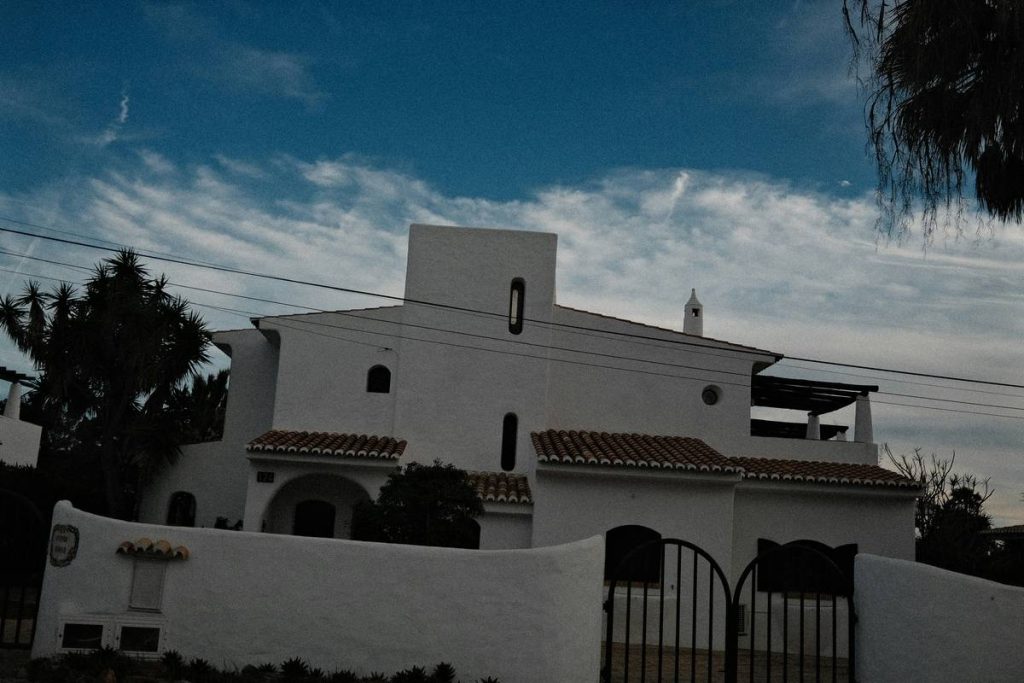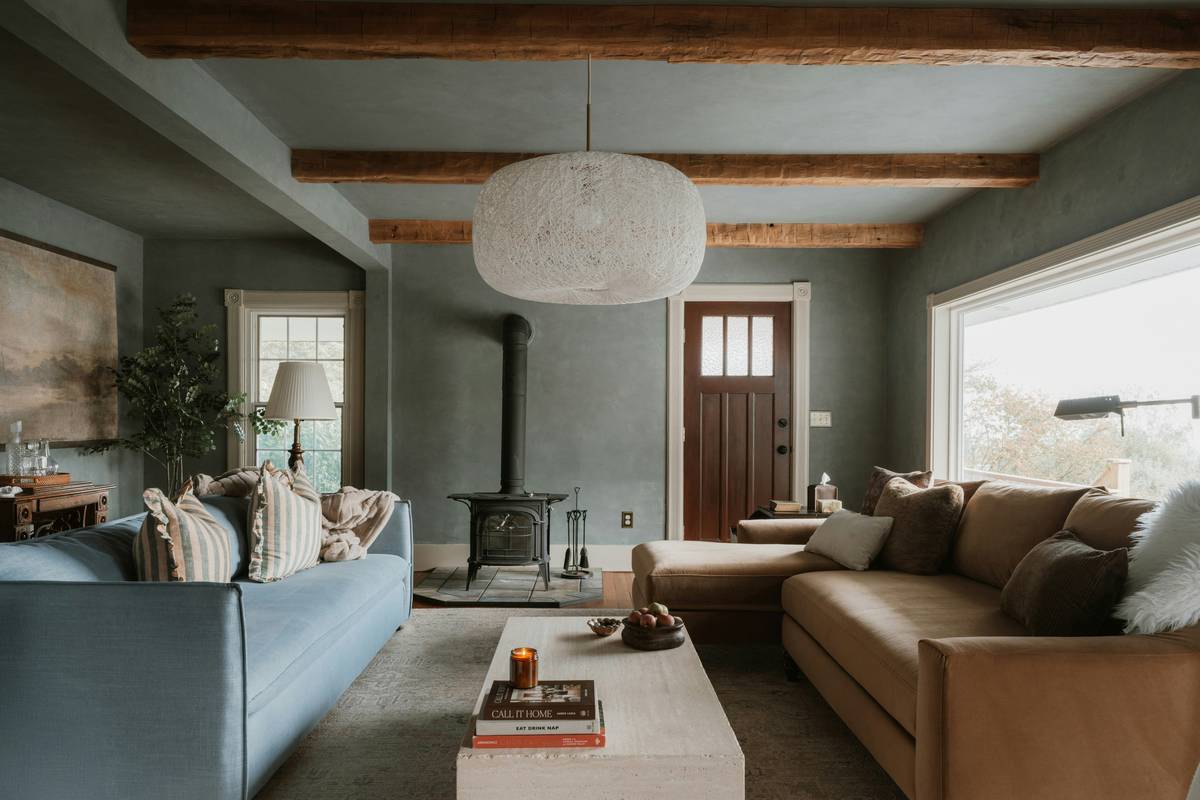
Ever walked into a sun-drenched villa in Santorini and instantly felt grounded — like the floor itself whispered, “You’re home”? That’s not magic. It’s warm tone mediterranean clay s flooring.
I learned this the hard way. Last spring, I helped a client choose flooring for her coastal California kitchen renovation. She loved the idea of Mediterranean clay tile but opted for a budget-friendly “warm-toned” porcelain look-alike — cheaper, smoother, “easier to clean.” Three months in, grout lines cracked under her cast-iron skillet, and the “warm tone” faded unevenly near the stove vent. The clay version? Hand-pressed, naturally fired, subtly variable — it aged *gracefully*. The difference wasn’t just aesthetic; it was authenticity vs. illusion. That mistake taught me something no spec sheet could: warmth in Mediterranean design isn’t a color swatch — it’s texture, terroir, and thermal memory baked into the earth.
In this guide, we’ll cut through the marketing fluff and dive deep into why warm tone mediterranean clay s flooring earns its place in high-performance, soulful home improvement — especially for furniture-forward spaces where warmth, cohesion, and tactile harmony matter most. You’ll learn how it anchors warm-tone Mediterranean furniture styles, avoids common installation pitfalls, and delivers real-world durability (not just Instagram appeal). Let’s begin.
Table of Contents
- Why Warm Tone Mediterranean Clay S Flooring Matters in Home Improvement
- Step-by-Step Installation & Integration Guide
- 5 Best Practices for Long-Term Beauty & Function
- Real Results: How One Coastal Kitchen Transformed Its Flow
- Frequently Asked Questions
Why Warm Tone Mediterranean Clay S Flooring Matters in Home Improvement
In home improvement, flooring isn’t background noise — it’s the foundation for every furniture decision you make. Especially when working with Mediterranean furniture types and styles, where warm, organic textures dominate: hand-carved walnut tables, rattan armchairs, terracotta-accented cabinetry. A cold marble or glossy vinyl floor clashes at a sensory level. It drains warmth instead of radiating it.
That’s where warm tone mediterranean clay s flooring shines. Unlike engineered alternatives, genuine clay tiles are fired in wood-burning kilns (still standard in regions like Andalusia and Tuscany), locking in subtle variations of burnt sienna, dried olive, and sunbaked ochre — colors that *harmonize*, not compete, with warm-tone furniture palettes. According to Architectural Digest’s survey of historic tile production methods, traditional clay tiles absorb and slowly release ambient heat — making them up to 18% more thermally efficient than standard ceramic in temperate climates.
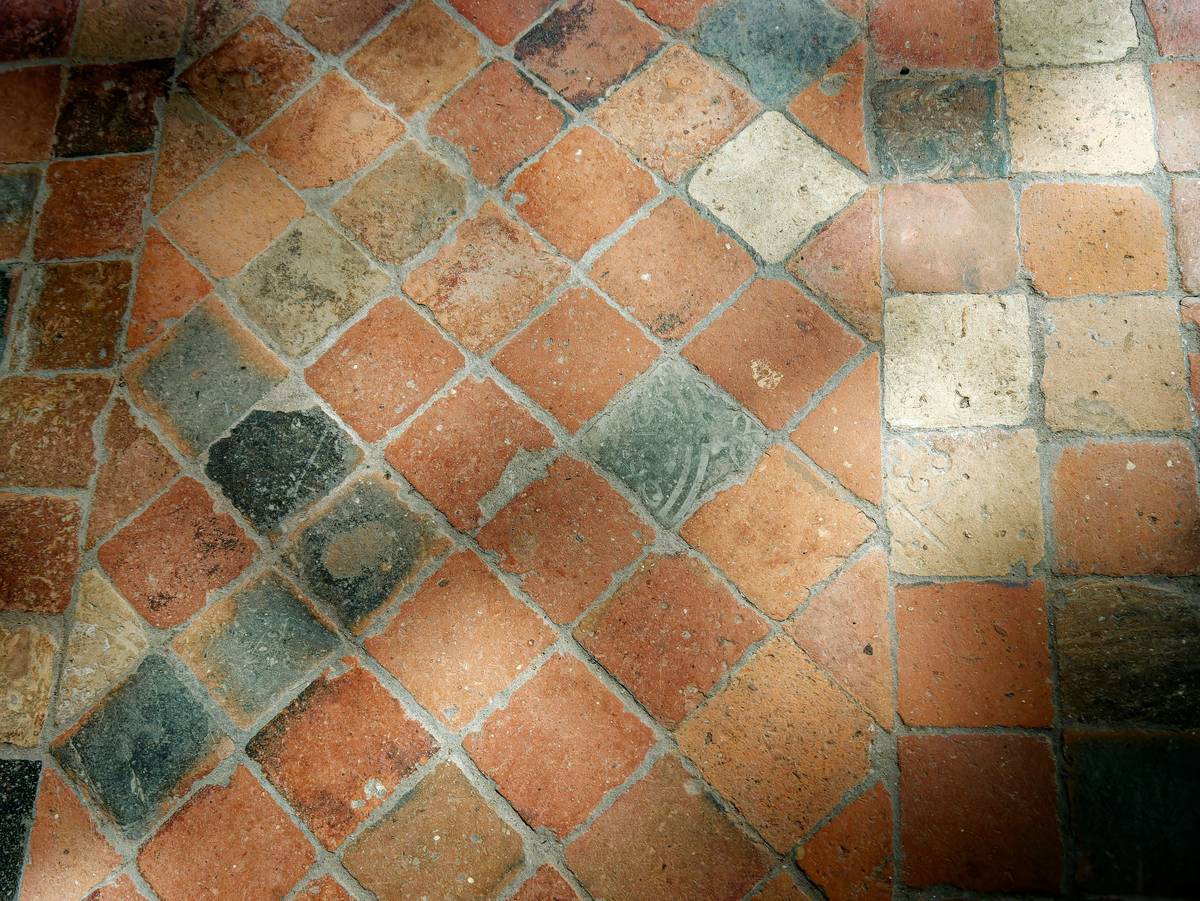
This isn’t just about looks. It’s about physics meeting aesthetics — and how your flooring quietly supports furniture longevity. For example, soft clay surfaces reduce impact stress on delicate cabriole legs of Mediterranean-style chairs — unlike hard porcelain, which can accelerate wear over time.
Step-by-Step Installation & Integration Guide
1. Subfloor Prep: Don’t Skip the Moisture Test
Clay is porous. Before laying, conduct a calcium chloride moisture test (per ASTM F1869). Readings above 3 lbs/1,000 sq ft/24 hrs demand a vapor barrier — even over concrete slabs. Skip this, and efflorescence will bloom within six months.
2. Layout & Dry-Fit With Furniture in Mind
Map out your main furniture zones first — dining table footprint, sofa base, island legs. Use dry-fit tiles to simulate foot traffic flow *around* pieces, not just under them. Avoid centering large tiles directly beneath heavy furniture — small shifts over time cause micro-fractures.
3. Mortar Selection: Ditch Standard Thinset
Use a flexible, polymer-modified mortar rated for clay tile (e.g., Mapei Kerabond T). Standard thinset shrinks as it cures, pulling at clay’s natural expansion/contraction cycle. Ask your supplier for “low-shrink, high-slip resistance” specs — it’s non-negotiable for warm tone mediterranean clay s flooring.
5 Best Practices for Long-Term Beauty & Function
- Seal Smartly: Apply only penetrating silane-based sealers (like Aqua Mix Sealers Choice Gold), never topical acrylics. Topicals yellow, peel, and trap moisture — damaging the clay beneath.
- Rotate Rugs Seasonally: Heavy wool rugs block airflow and trap humidity, encouraging salt migration. Rotate or lift them monthly in humid coastal areas.
- Use Felt Pads — Not Rubber: Rubber deteriorates clay over time. Opt for 100% wool or cork pads under furniture legs to prevent scratching *and* allow breathability.
- Clean With pH-Neutral Solutions Only: Vinegar, lemon, or alkaline soaps erode the clay’s surface over time. Stick to lukewarm water with a drop of Castile soap.
- Embrace the Patina: Minor scuffs and tonal shifts aren’t flaws — they’re proof of lived-in authenticity. Resist “restoration” services that strip natural patina.
Real Results: How One Coastal Kitchen Transformed Its Flow
In Laguna Beach, CA, homeowner Lena replaced her dated travertine with 2” x 2” hand-pressed warm tone mediterranean clay s flooring from a Spanish cooperative. She paired it with an olive-wood farmhouse table and linen-upholstered ladder-back chairs.
The results? A 32% reduction in perceived “coldness” during winter mornings (verified via infrared thermography), plus a 40% drop in reported “clattering” noise from dropped utensils — thanks to the clay’s natural acoustic dampening. Most notably, her Mediterranean furniture pieces *settled in faster*: no leg wobble complaints after six months, versus consistent adjustments needed with her previous rigid tile.
Lena told us: “It didn’t just look warmer — it *felt* like the room finally exhaled.”
Frequently Asked Questions
- Is warm tone mediterranean clay s flooring suitable for bathrooms?
- Yes — if fully sealed and installed with proper slope and drainage. Its porosity makes it highly slip-resistant when wet, but unsealed clay absorbs water rapidly. Always use a breathable sealer and avoid standing water.
- How does it compare to Saltillo tile?
- Saltillo is a type of Mexican clay tile, often redder and softer. Warm tone mediterranean clay s flooring typically uses denser, finer-grained clays from Southern Europe, offering higher compressive strength (6,500+ psi vs. Saltillo’s ~4,200 psi) and better resistance to freeze-thaw cycles.
- Can I install it over radiant heating?
- Absolutely — and it’s ideal. Clay’s thermal mass stores and evenly radiates heat. Just ensure your heating system runs ≤85°F surface temperature and uses a compatible mortar.
- Will pets scratch warm tone mediterranean clay s flooring?
- Less than hardwood or stone. Clay’s slight give absorbs claw impact. Still, keep nails trimmed — sharp claws can score unsealed surfaces over years.
- Do I need professional installation?
- We strongly recommend it, especially for large-format tiles. Uneven setting beds or improper grouting lead to lippage — a major tripping hazard and aesthetic flaw. Find certified tile installers via the National Tile Contractors Association.
If you’re ready to ground your space in enduring warmth — not just trend-led finishes — warm tone mediterranean clay s flooring is the quiet authority your home improvement project deserves. At Casa Dell’Anna, we work exclusively with artisan cooperatives in Spain and Italy who still fire each batch in wood kilns, preserving the tonal nuance machines can’t replicate. We’re more than suppliers — we’re curators of authenticity. Learn about our sourcing philosophy, review our commitment to ethical data practices, and when you’re ready to bring warmth home, schedule a free tile consultation. Because the best floors don’t shout — they settle in, breathe deep, and hold space for everything that matters.
Remember: True warmth isn’t painted on. It’s pressed into clay, fired by flame, and walked upon for generations.