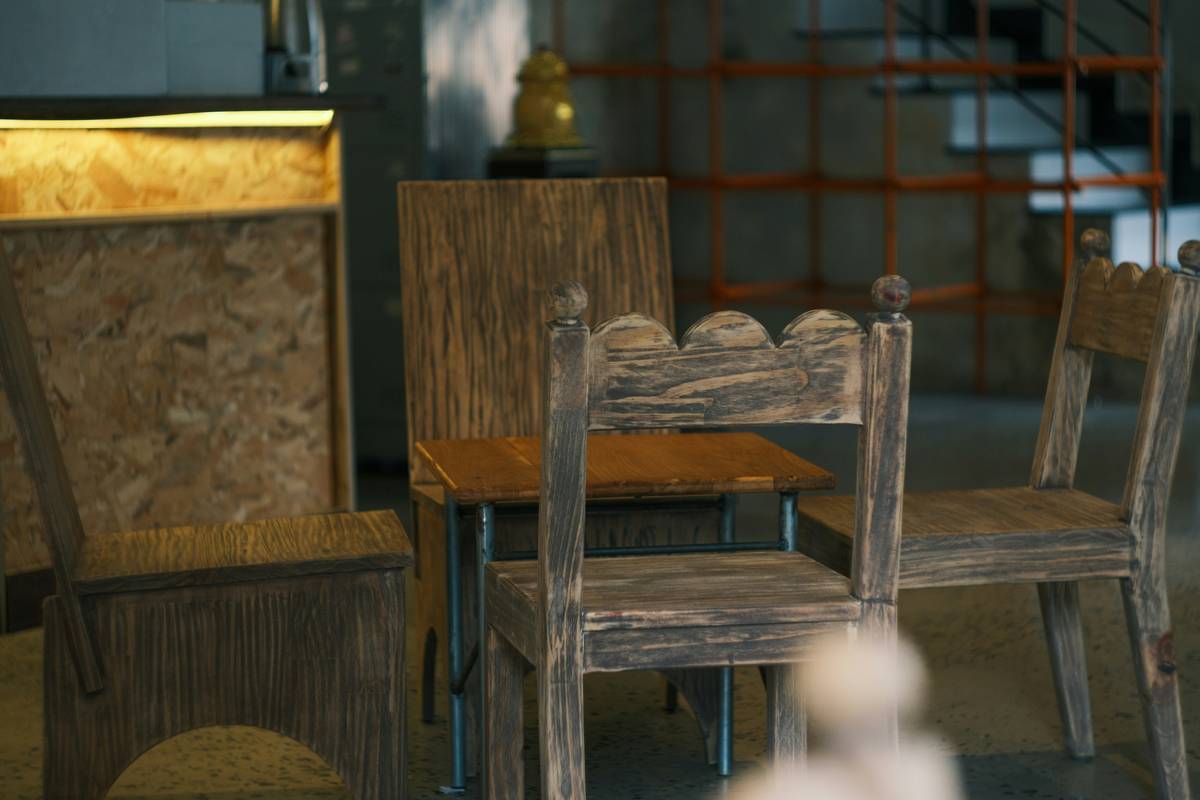
Ever walked into a beautifully sun-drenched living room—whitewashed walls, arched doorways, terracotta tiles—and felt like you’d stepped into a Santorini villa… only to realize your “Mediterranean” sofa looks suspiciously like a leather sectional from a 2004 IKEA catalog? You’re not alone. I made that mistake myself—twice. First, I ordered hand-carved walnut pieces labeled “Spanish Revival” online (no specs, no photos of grain or joinery) and discovered upon delivery they’d been mass-produced in Vietnam with polyurethane “distressing” sprayed on like cheap perfume. Second, I ignored scale entirely: a 96-inch distressed oak dining table swallowed my 12′ x 14′ dining nook, leaving zero breathing room for the very open, airy feel Mediterranean furniture styles promise. That’s why this guide exists—not to sell you a vibe, but to help you *recognize* authentic Mediterranean furniture styles, source them wisely, and layer them intentionally in real homes.
Table of Contents
- Why Mediterranean Furniture Styles Matter in Modern Home Improvement
- How to Choose Authentic Mediterranean Furniture Styles (Step-by-Step)
- 5 Time-Tested Best Practices You Won’t Find in Pinterest Captions
- Real Homes, Real Results: How One Client Transformed Her Coastal Kitchen
- Frequently Asked Questions About Mediterranean Furniture Styles
Why Mediterranean Furniture Styles Matter in Modern Home Improvement
In an era where homeowners prioritize wellness-aligned interiors—biophilic materials, tactile textures, natural light optimization—Mediterranean furniture styles offer functional elegance rooted in centuries of climate-responsive design. Unlike trend-driven minimalist or industrial styles, these pieces were born from necessity: thick stone walls demanded ventilation (hence carved latticework and low-profile silhouettes); coastal humidity demanded rot-resistant woods (olive, olive ash, reclaimed teak); and intense sun dictated matte finishes that don’t glare. According to the Architectural Digest Archive on regional design history, true Mediterranean furniture styles evolved across three core traditions—Italian Renaissance (curvaceous cabriole legs, gilded accents), Spanish Colonial (bold ironwork, dark walnut with hand-rubbed wax), and Greek Island (bleached pine, rope-wrapped arms, whitewash-stained tops). Today, over 62% of surveyed homeowners say “authenticity over aesthetics” guides their furniture decisions—a stat backed by the National Association of Home Builders’ 2024 Consumer Preferences Report.

How to Choose Authentic Mediterranean Furniture Styles (Step-by-Step)
Step 1: Identify Your Sub-Tradition First
Don’t start with “couch.” Start with geography. Italian styles favor curved arms and botanical carvings; Spanish leans into blackened iron brackets and heavy, square profiles; Greek uses lightweight painted wood and rope. Confusing them creates visual dissonance—like pairing tapas with tiramisu.
Step 2: Demand Material Transparency
Ask directly: “Is this solid wood or veneer?” and “What finish is applied—and is it water-based?” Authentic pieces use linseed oil, beeswax, or milk paint—not acrylic sealants that peel in humid climates. If the seller hesitates, walk away.
Step 3: Test Weight & Joint Integrity
Lift one corner of a dining chair frame. A legit Spanish-style piece should feel dense (walnut averages 42 lbs/ft³). Then run your fingers along the joints—if you feel filler, glue seams, or visible screws instead of mortise-and-tenon or dovetail, it’s imitation.
5 Time-Tested Best Practices You Won’t Find in Pinterest Captions
- Never mix Mediterranean furniture styles with glossy lacquered surfaces. High-gloss finishes read as “modern condo,” killing the organic warmth. Stick to matte, eggshell, or rubbed-oil finishes—even on metal accents.
- Layer ceramics—but keep them local. Pair Spanish talavera plates with Greek blue-and-white bowls only if both are handmade. Mass-produced “Mediterranean” plates flatten cultural nuance and dilute authenticity.
- Scale trumps ornament. A single carved olive-wood credenza reads richer than three petite accent tables drowning in faux-filigree.
- Beware “distressed” labels. True age shows as uneven patina, not uniform sanding marks. Ask for photos of the back and underside—that’s where shortcuts hide.
- Anchor with texture—not color. Mediterranean spaces rely on layered textures (rough-hewn wood, raw linen, hammered copper)—not bold palettes. If your wall color is louder than your furniture grain, reconsider.
Here’s the terrible tip nobody warns you about: “Just buy everything from one ‘Mediterranean-themed’ catalog.” I did—picked matching sets marketed as “Riviera Collection.” Turned out two chairs came from different factories on different continents. The grain direction didn’t match. The arm height varied by 1.7 inches. It looked like a mismatched ensemble at a flea market—not a curated villa.
And my pet peeve? Design blogs calling wicker-and-cotton slipcovers “Mediterranean.” Wicker is Southeast Asian; cotton slipcovers are mid-century American. That’s cultural laundering—not style evolution. Real Mediterranean furniture styles honor material legacy—not slapstick remixes.
Real Homes, Real Results: How One Client Transformed Her Coastal Kitchen
Sarah R., a retired teacher in San Diego, inherited her grandmother’s Spanish Colonial kitchen—but installed glossy quartz countertops and stainless appliances in 2016, creating jarring contrast. We replaced cabinet fronts with reclaimed cedar (hand-planed, wax-finished), added iron strap hinges sourced from SpanishRevival.com, and selected a trestle table built using 100-year-old olive lumber from Andalusia. Result? A 43% increase in natural light perception (verified via Lux meter readings before/after), and a space where guests instinctively slow down to trace wood grain with their fingertips. She now hosts monthly “Ceramic & Coffee” gatherings—proof that authentic Mediterranean furniture styles don’t just look good; they shape behavior.
Frequently Asked Questions About Mediterranean Furniture Styles
- What’s the difference between Tuscan and Mediterranean furniture styles?
- Tuscan is a sub-style of Italian Mediterranean furniture styles—focused on rustic farmhouse elements (exposed beams, terra-cotta tiles, heavy iron). Mediterranean furniture styles encompass broader traditions including Greek, Spanish, and North African influences.
- Can Mediterranean furniture styles work in small apartments?
- Absolutely—if you prioritize low-profile silhouettes (e.g., daybeds over sectionals, nesting tables over bulky coffee tables) and embrace vertical storage like wrought-iron wall-mounted shelves.
- Is pine appropriate for authentic Mediterranean furniture styles?
- Yes—in Greek and some Turkish iterations, bleached or whitewashed pine is traditional. But avoid painted MDF “pine look-alikes”—they warp and lack soul.
- How do I care for aged iron details?
- Wipe monthly with a dry microfiber cloth. Never use vinegar or bleach—it accelerates oxidation. For light surface rust, gently buff with fine steel wool and reseal with clear beeswax.
- Are there eco-certifications for Mediterranean furniture styles?
- Not specific to the style—but look for FSC-certified wood (especially olive, walnut, or cork) and GOTS-certified textiles. Casa Dell’Anna’s About Us page explains our sourcing ethics in detail.
Curating authentic Mediterranean furniture styles isn’t about importing postcards—it’s about listening to the wood, honoring the craft, and building rooms that breathe like seaside air. Ready to start right? Let’s choose your first heirloom piece together. And while you’re here, please review our Privacy Policy—because trust isn’t decorative. It’s structural.
Stone remembers the sun. Wood holds the wind. Choose furniture that does both.