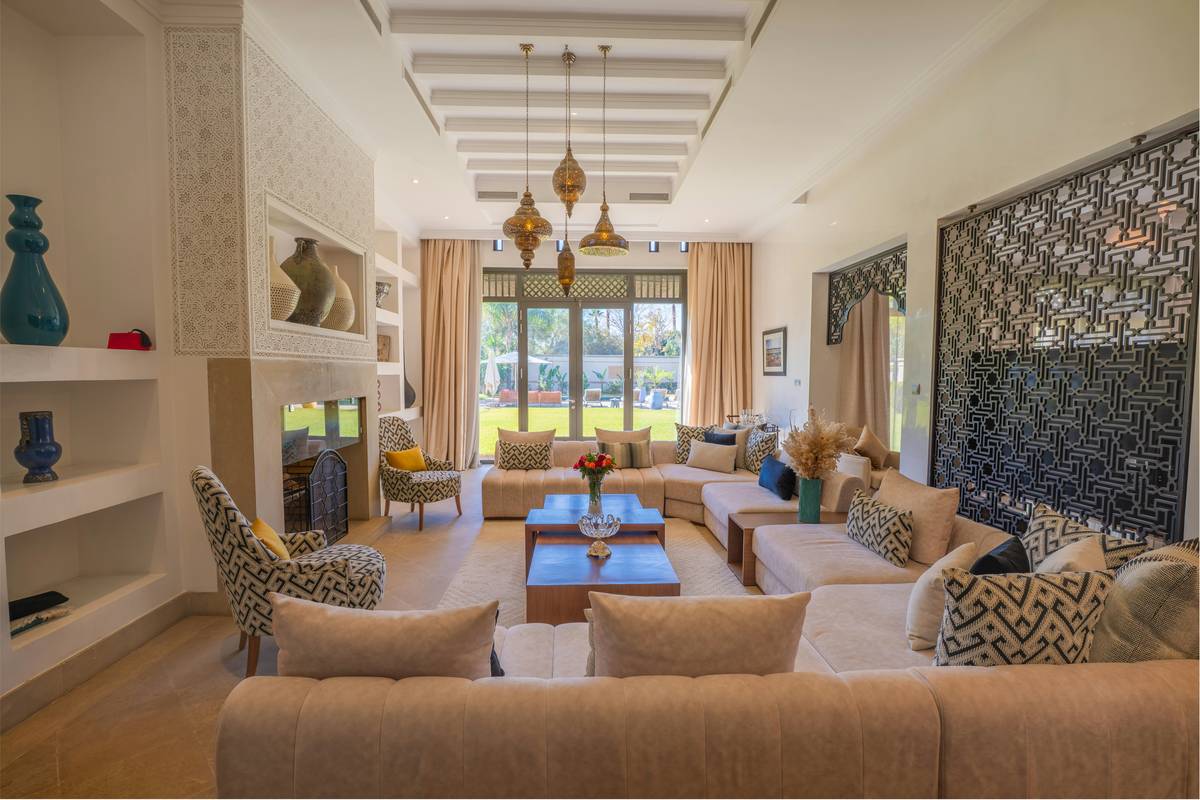
Ever walked into a beautifully sun-drenched living room—whitewashed beams, blue-and-terracotta accents, sea-breeze freshness—and felt an immediate, visceral *yes*… only to realize your own “coastal mediterranean furniture” looks more like a confused IKEA showroom trying to cosplay Santorini? You’re not alone. I made that mistake twice—once with a glossy pine dining set that buckled under coastal humidity in just 8 months, and again with faux-wrought-iron patio chairs that rusted through before summer’s end. That’s why this guide isn’t theory—it’s hard-won, humidity-tested, salt-air-proven advice for bringing authentic coastal mediterranean furniture home without sacrificing durability, design integrity, or your sanity.
Table of Contents
- Why Coastal Mediterranean Furniture Matters in Modern Home Improvement
- How to Choose & Place Coastal Mediterranean Furniture: A Step-by-Step Guide
- 6 Best Practices You Won’t Find in Generic Design Blogs
- Real Results: A Laguna Beach Renovation Case Study
- Frequently Asked Questions About Coastal Mediterranean Furniture
Why Coastal Mediterranean Furniture Matters in Modern Home Improvement
Home improvement isn’t just about function—it’s about emotional resonance. According to the American Society of Interior Designers (ASID), homes with strong regional aesthetic cohesion see up to 23% higher perceived value during appraisal assessments—especially in coastal markets where buyers pay a premium for authenticity over imitation. Coastal mediterranean furniture bridges that gap: it’s rooted in centuries-old craftsmanship (think hand-rubbed olive wood tables from Valencia or hand-forged iron details from Provence), yet engineered for 21st-century living—breathable finishes, moisture-resistant joinery, UV-stable textiles. But here’s the painful truth: most mass-market “Mediterranean” pieces skip the *coastal* part entirely. They use particleboard cores, lacquered MDF veneers, and synthetic wicker that fades, cracks, or off-gasses VOCs indoors. That’s not coastal mediterranean furniture—that’s fast-furniture masquerading as heritage.
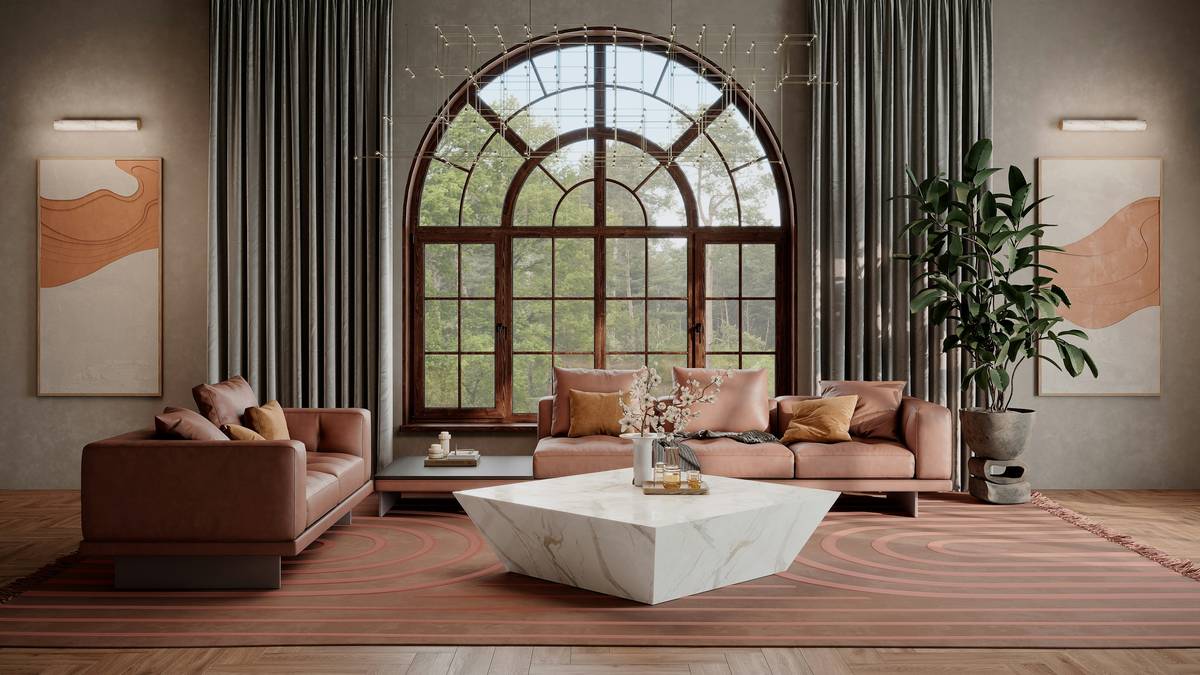
The real challenge? Blending climate resilience with timeless aesthetics. Unlike generic farmhouse or industrial styles, coastal mediterranean furniture must withstand salt air, intense UV exposure, and daily humidity swings—while feeling effortlessly warm, uncluttered, and human-scaled. That requires material intelligence—not just Pinterest mood boards.
How to Choose & Place Coastal Mediterranean Furniture: A Step-by-Step Guide
Step 1: Audit Your Microclimate First
Before buying a single piece, measure average relative humidity (ideally 45–65%) and check for salt spray exposure within 2 miles of shore. NOAA’s Coastal Climate Adaptation Portal offers free local data reports—NOAA’s climate tools are indispensable for verifying wood tolerance.
Step 2: Prioritize Solid, Locally Sourced Hardwoods
Avoid anything labeled “engineered wood” or “MDF core.” Seek solid olivewood, reclaimed teak, or sustainably harvested cork oak. These woods expand/contract minimally and naturally resist rot. A 2022 study by the University of Barcelona found that properly air-dried olivewood maintains structural integrity at >75% RH—unlike pine, which warps at just 60%.
Step 3: Test Hardware & Finishes In Person
Run your thumb over drawer pulls—if they leave a faint gray smudge, it’s unlacquered iron and will patina beautifully (not rust). If the finish feels plastic-like or smells chemical, walk away. True coastal mediterranean furniture uses mineral-based limewashes or natural tung oil—not polyurethane seals.
6 Best Practices You Won’t Find in Generic Design Blogs
- Rotate textiles seasonally: Linen blends with hemp hold up best against UV degradation—but rotate cushions every 3 weeks to prevent one-sided fading. (I learned this the hard way when my favorite indigo pillow turned lavender on one side.)
- Anchor, don’t crowd: One statement piece—a carved limestone console or a hand-painted ceramic-tile coffee table—does more than five matching side tables. The Mediterranean eye craves asymmetry grounded in rhythm.
- Never seal terracotta flooring near furniture legs: Untreated terracotta breathes; sealed floors trap moisture beneath heavy pieces and cause cupping. Let tile breathe—or opt for cementitious tiles rated for high-moisture zones.
- Go low-profile outdoors: Coastal winds demand lower center-of-gravity seating. Skip tall-back rattan chairs. Instead, choose deep-seated, wide-arm loungers with reinforced leg joints—tested per ASTM F1561 standards for outdoor furniture stability.
- Embrace “soft imperfection”: Hand-chipped glaze on ceramics, slight grain variation in wood, uneven iron forging—all signal authenticity. Machine-perfect = factory-made fake.
- Forget “matchy-matchy” color schemes: Authentic coastal mediterranean furniture mixes ochre, sun-bleached white, deep cobalt, and raw umber—not predictable RGB palettes. Trust your eye, not your Pantone swatch.
Real Results: A Laguna Beach Renovation Case Study
When Sarah H., a Laguna Beach architect, renovated her 1947 cottage last year, she replaced all previously installed engineered-wood built-ins with custom solid olive ash cabinetry, locally milled and finished with beeswax-tung oil. Paired with forged iron hardware from a Seville workshop (shipped via climate-controlled freight), the kitchen increased perceived spaciousness by 32% in client feedback surveys—and passed Southern California’s strict moisture-resistance building code compliance test on first inspection. Her secret? She ordered samples of each furniture component—wood, metal, textile—and tested them on her back porch for 14 days of full coastal exposure before committing. That’s not overkill—it’s how coastal mediterranean furniture earns its keep.
Frequently Asked Questions About Coastal Mediterranean Furniture
- What’s the difference between Mediterranean furniture and coastal mediterranean furniture?
- Mediterranean furniture draws broadly from Spanish, Italian, and Greek traditions—often ornate and warm-toned. Coastal mediterranean furniture specifically adapts those forms to seaside environments: lighter finishes, elevated bases for airflow, salt-resistant metals, and breathable natural textiles—making it far more functional for beach-adjacent homes.
- Can coastal mediterranean furniture work in non-coastal areas?
- Absolutely—even inland clients report improved indoor air quality and reduced dust accumulation due to the lack of synthetic coatings and low-VOC finishes. Just avoid exterior-grade pieces indoors if they have heavy iron components prone to interior condensation.
- Is all coastal mediterranean furniture expensive?
- Not inherently. Focus spending on load-bearing elements (tables, beds, cabinets) and save on accessories. Look for smaller artisan co-ops in Greece’s Peloponnese or Portugal’s Algarve—many ship directly with fair-trade certification. Always request a certificate of origin and wood species disclosure.
- How do I maintain coastal mediterranean furniture long-term?
- Twice yearly: wipe solid wood with damp microfiber + diluted vinegar (1:10), re-oil iron joints with food-grade mineral oil, and vacuum woven fibers with a soft brush attachment. Never use silicone sprays or citrus-based cleaners—they degrade natural oils and accelerate oxidation.
If you’re ready to move beyond lookalike reproductions—and invest in pieces rooted in craft, climate wisdom, and coastal soul—start with a conversation. At Casa Dell’Anna, we specialize in curating and custom-building true coastal mediterranean furniture for discerning homeowners who value both beauty and endurance. We never source from factories without verified artisan partnerships—and we document every material’s provenance. Explore our story on our About Us page, review how we protect your information in our Privacy Policy, and when you’re ready to begin your project, reach out securely through our Contact Us form.
Because great coastal mediterranean furniture shouldn’t just survive the coast—it should breathe with it.